

Disclosure-Critical ESG, Climate & GHG Engagements in Malaysia
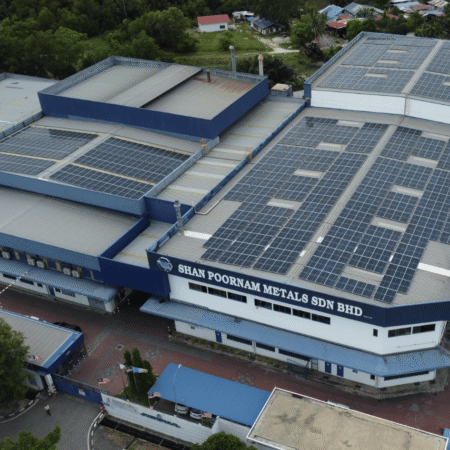
Evidence of delivery — without exposing clients to disclosure risk
SuSciCo works on ESG, climate and GHG disclosures that carry long-term audit, regulatory, and commercial consequences.
For this reason, we do not publish detailed case narratives, methodologies, calculations, or client documents.
Instead, this page provides a representative snapshot of disclosure-critical engagements we have led across Malaysian companies, covering sustainability reporting, climate and GHG disclosures, and limited product-level carbon information where disclosure risk applies.
The purpose is simple:
to demonstrate judgement, repeatability, and risk containment — not to showcase impact stories.
What These Cases Represent
The engagements below reflect situations where companies faced first-year or upgraded sustainability disclosures, board and audit committee scrutiny, uncertainty around disclosure boundaries and assumptions, pressure from regulators, buyers, or internal stakeholders, and heightened risk of over-claiming or inconsistent reporting.
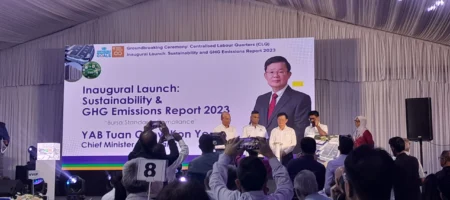
Selected Disclosure Engagements
ESG / Sustainability Disclosures (Bursa Malaysia, GRI, IFRS)
| Engagement Type | Client Context | Disclosure Risk Addressed | SuSciCo Role | Disclosure Outcome |
| ESG / Sustainability Disclosure (Bursa Malaysia) | ACE-listed manufacturing group | First-year sustainability disclosure under board and auditor scrutiny | Disclosure architecture, boundary definition, and risk-aware drafting support | Published without restatement and supported board-level sign-off |
| ESG / Sustainability Disclosure | Large private manufacturing group | Boundary definition across multiple operating entities | Disclosure scoping and assumption control | Used for regulatory and internal governance purposes |
| Sustainability Disclosure | Export-oriented industrial company | Buyer and Bursa-aligned disclosure pressure | Risk-aware drafting and disclosure structuring | Accepted for buyer and regulatory disclosure |
| Dual-Year Sustainability Disclosure | Manufacturing company | Consistency and repeatability across reporting years | Disclosure continuity and assumption governance | Used as internal reference for repeat reporting |
Group & Multi-Site GHG Inventories
| Engagement Type | Client Context | Disclosure Risk Addressed | SuSciCo Role | Disclosure Outcome |
| Group & Multi-Site GHG Inventory | Large private industrial group | Boundary consistency and consolidation risk across sites | GHG boundary setting, methodology governance, and assumption control | Used for repeat reporting and internal audit discussions |
| Multi-Site GHG Inventory | Manufacturing group | Site-level data confidence and aggregation risk | Boundary and data governance | Accepted for statutory and internal reporting |
| Group GHG Inventory | Plantation & construction group | Mixed asset classes and boundary judgement | GHG scope definition and consolidation logic | Used for group-level disclosure |
| GHG Inventory for Buyer Disclosure | Export-oriented manufacturer | External buyer scrutiny and questionnaire pressure | Conservative inventory framing and documentation discipline | Used for buyer ESG submissions |
Product & Climate-Related Disclosures (Limited Reference)
| Engagement Type | Client Context | Disclosure Risk Addressed | SuSciCo Role | Disclosure Outcome |
| Product Carbon Footprint (PCF) | Export-oriented metals recycler | Product-level disclosure and claim sensitivity | PCF boundary definition and conservative claim framing | Used for controlled external disclosure |
| Climate / Product-Related Disclosure | Industrial product manufacturer | Climate-related disclosure language and assumptions | Climate disclosure structuring and assumption control | Used for internal and external disclosure alignment |
Coverage Note
The engagements listed above are representative, not exhaustive.
SuSciCo has supported multiple ESG, GHG, climate, and disclosure-critical training engagements across Malaysian private companies, exporters, and selected public-listed entities.
Detailed materials are shared selectively during consultations, where context, limitations, and disclosure intent can be properly assessed.
A Consistent Pattern Across Engagements
The common risks we encounter are not data-related, but structural — including unclear boundaries, undocumented assumptions, premature claims, and inconsistent language across reports and submissions.
What We Do Not Publish — By Design
To protect clients and avoid misinterpretation, we do not publish:
-
full reports or inventories
-
calculations or datasets
-
targets, roadmaps, or forward-looking commitments
-
internal registers or working papers
This restraint is intentional.
Disclosure safety is preserved by context, judgement, and governance — not by public case storytelling.
Discuss a Disclosure-Critical Situation
If your organisation is preparing or revising ESG, climate, or GHG disclosures and needs clarity on what can be safely stated, we invite you to request a consultation.
This is not a sales discussion.
It is a structured conversation focused on disclosure risk, boundaries, and defensibility.