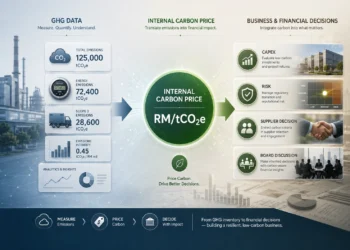


and climate-related disclosure work.
SuSciCo (Sustainability | Science | Consulting) -
Practical ESG, GHG and carbon support for Malaysian companies.
SuSciCo helps companies prepare sustainability reporting, emissions accounting, Product Carbon Footprint work, supplier ESG responses and practical training with clear scope and responsible boundaries.

Need technical ESG support?
Get help preparing, structuring or reviewing ESG reporting, GHG accounting, Product Carbon Footprint and supplier ESG work.
View Services
Need to train your team?
Build practical understanding of ESG reporting, GHG accounting, Product Carbon Footprint, and supplier ESG requirements.
View Training
Not sure what applies?
Tell us what you need help with, and we will route the discussion to the right ESG, GHG, carbon or training support.
Request an Online DiscussionWhat SuSciCo helps with

ESG Disclosure Consulting for PLCs Malaysia | SuSciCo
Practical ESG reporting support for Malaysian SMEs, suppliers and manufacturers preparing clear, proportionate and evidence-supported ESG reports or disclosure packs.
read more
Supplier ESG Assessment and Sustainable Procurement Support
Support for Malaysian companies to assess supplier ESG, develop sustainable procurement policy, organise buyer-response evidence and support Scope 3 supplier data needs.
read more
ESG Reporting for SMEs in Malaysia | SuSciCo
Practical ESG reporting support for Malaysian SMEs, suppliers and manufacturers preparing clear, proportionate and evidence-supported ESG reports or disclosure packs.
read more
Product Carbon Footprint (PCF) Assessment Support
Practical PCF assessment support for Malaysian manufacturers preparing product carbon data, calculation workbooks, evidence records and customer or HQ responses, and external verification.
read more
GHG Accounting and Scope 3 Quantification Support
Practical GHG accounting and Scope 3 support for Malaysian companies. Prepare Scope 1, Scope 2 and selected Scope 3 emissions data for ESG reporting, customer requests, HQ reporting or internal review.
read more
IFRS S1 and IFRS S2 Disclosure Integration Support
Practical support for Malaysian companies integrating IFRS S1, IFRS S2 and climate disclosure considerations into Bursa/GRI ESG reporting and Annual report. Gap mapping, disclosure structuring and evidence-readiness support.
read more





How we support your work
Clear Scope
We help clarify what the work covers, what it excludes and where assumptions should be visible.
Practical Delivery
We focus on the ESG, GHG, PCF and training work companies need to complete now.
Traceable Evidence
We support data sources, assumptions and records that can be explained later.
Responsible Boundaries
We help avoid claims that sound stronger than the available evidence supports.
Practical training for internal teams
SuSciCo provides practical ESG, GHG, Product Carbon Footprint and supplier ESG training for teams that need to understand, support or manage sustainability-related work.
Training is designed for business, reporting, operations, procurement, HR and management teams that need usable understanding, not generic sustainability awareness.
 ESG Reporting Training for SMEs
ESG Reporting
ESG Reporting Training for SMEs
ESG Reporting
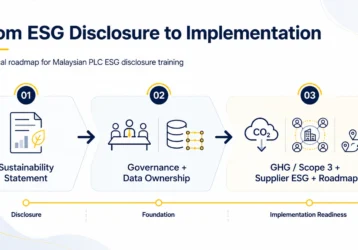 ESG Disclosure Training for PLCs in Malaysia
ESG Reporting
ESG Disclosure Training for PLCs in Malaysia
ESG Reporting
 Supplier ESG Assessment and Sustainable Procurement Training
Supply Chain
ESG Reporting Training for SMEs
ESG Reporting
Supplier ESG Assessment and Sustainable Procurement Training
Supply Chain
ESG Reporting Training for SMEs
ESG Reporting
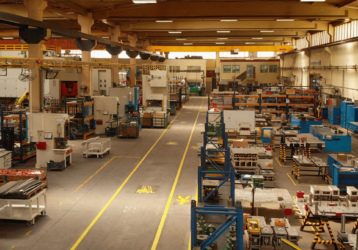 Practical Product Carbon Footprint (PCF) Training
Carbon Emissions, Supply Chain
Practical Product Carbon Footprint (PCF) Training
Carbon Emissions, Supply Chain
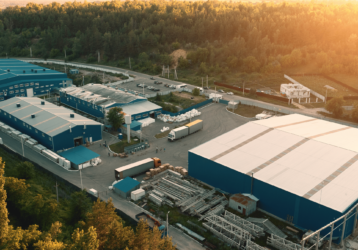 GHG Accounting & Scope 3 Training
Carbon Emissions, Supply Chain
GHG Accounting & Scope 3 Training
Carbon Emissions, Supply Chain
Malaysia-based, commercially grounded support
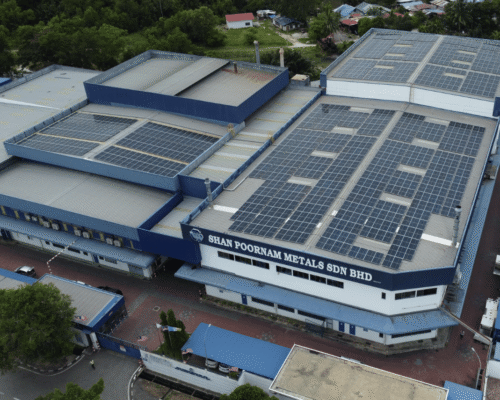
SuSciCo works with Malaysian business contexts, including reporting teams, SMEs, manufacturers, suppliers, procurement teams and management groups facing ESG, GHG, carbon and buyer-related expectations.
Our work connects technical requirements with practical company realities: available data, internal roles, reporting timelines, buyer questions and future explanation needs.
Explore short, commercially relevant insights on ESG reporting, GHG and Scope 3, Product Carbon Footprint, and supplier ESG requirements.